Continuous Ink Jet
A continuous inkjet printer (CIJ) is a non-contact industrial inkjet printer that fires a continuous stream of ink droplets to code products at high speed, even on fast-moving lines. Nexus Australia supplies and supports CIJ printers Australia-wide for date coding, batch numbers and barcodes, with installation, consumables and servicing from its base in Western Australia.
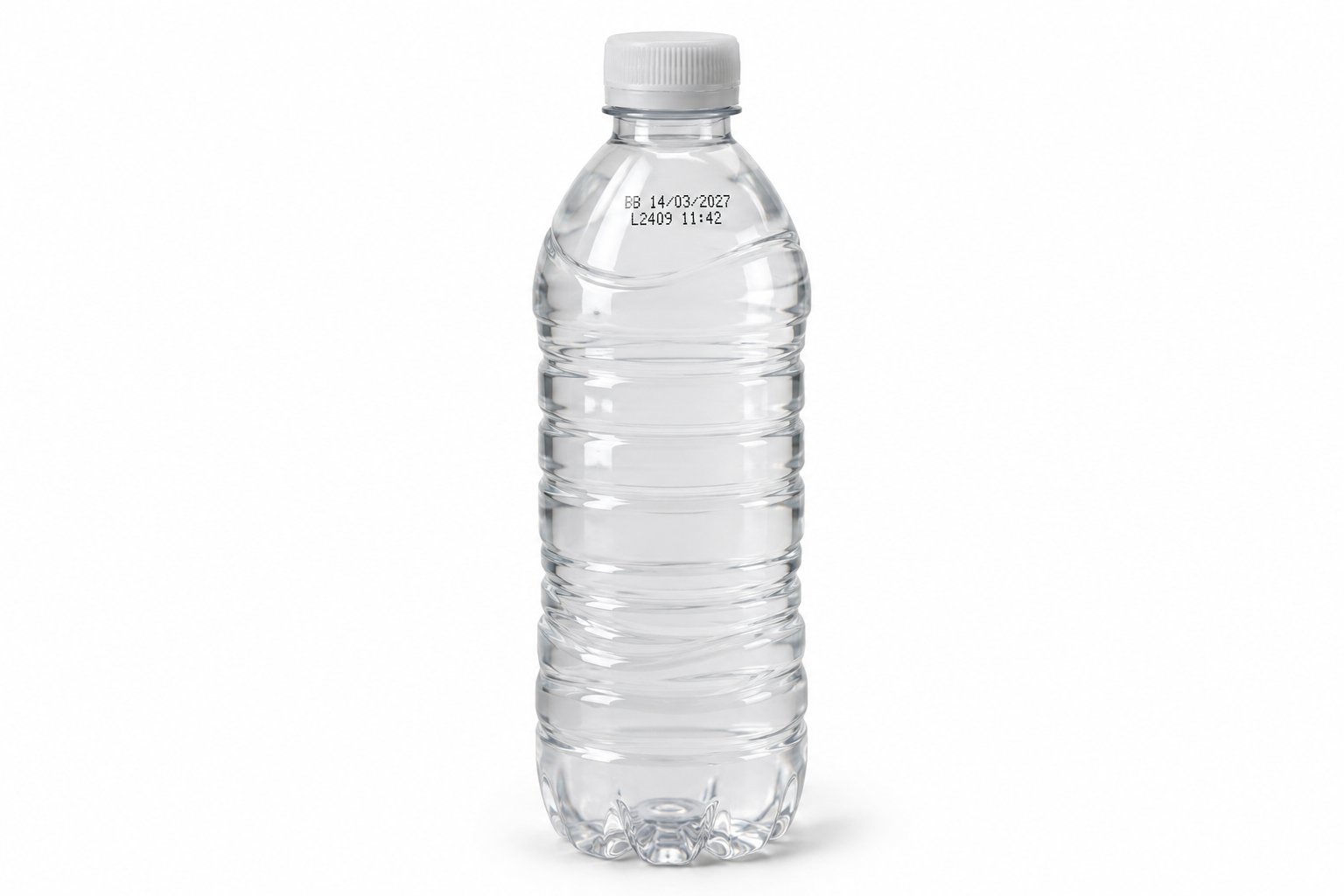
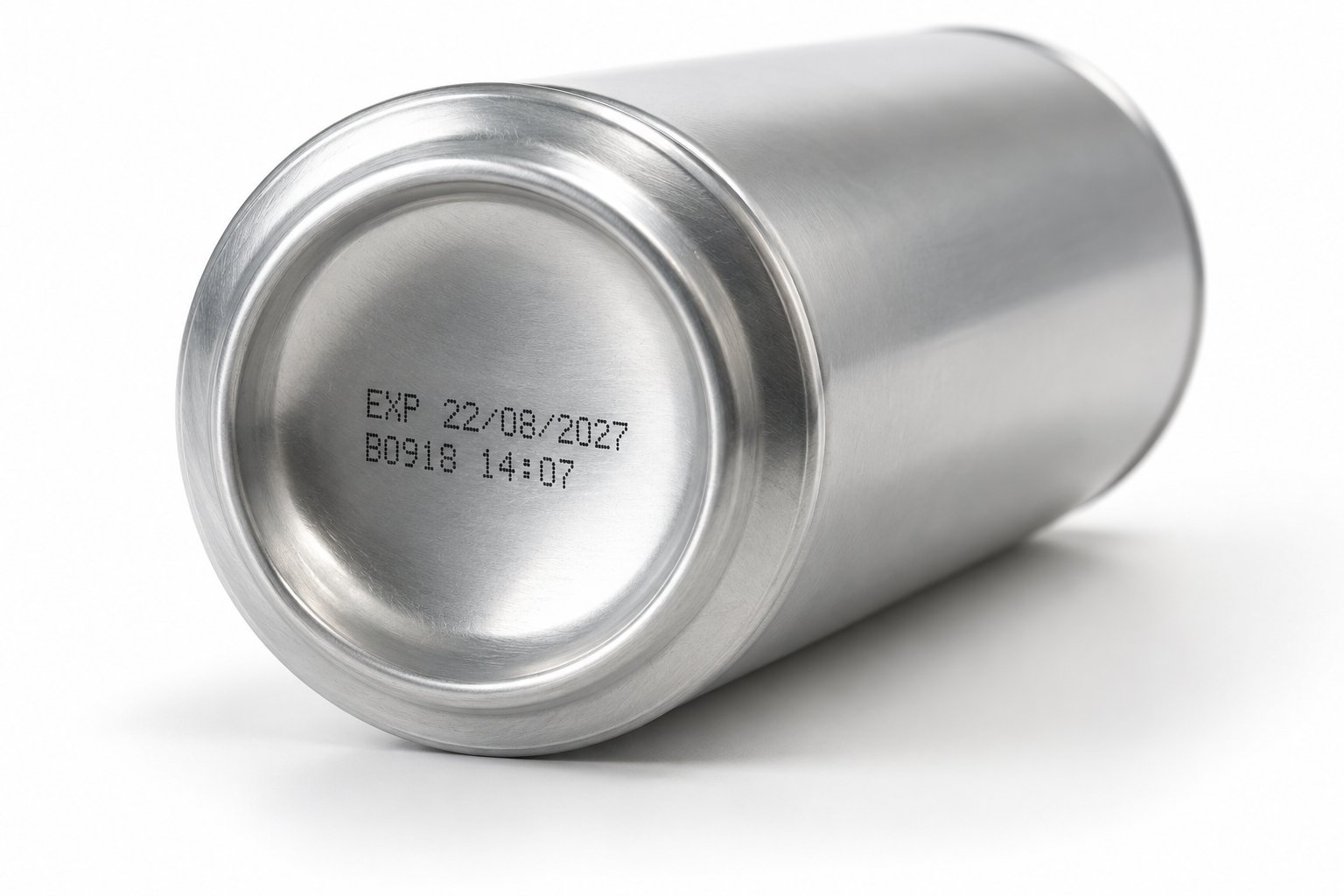
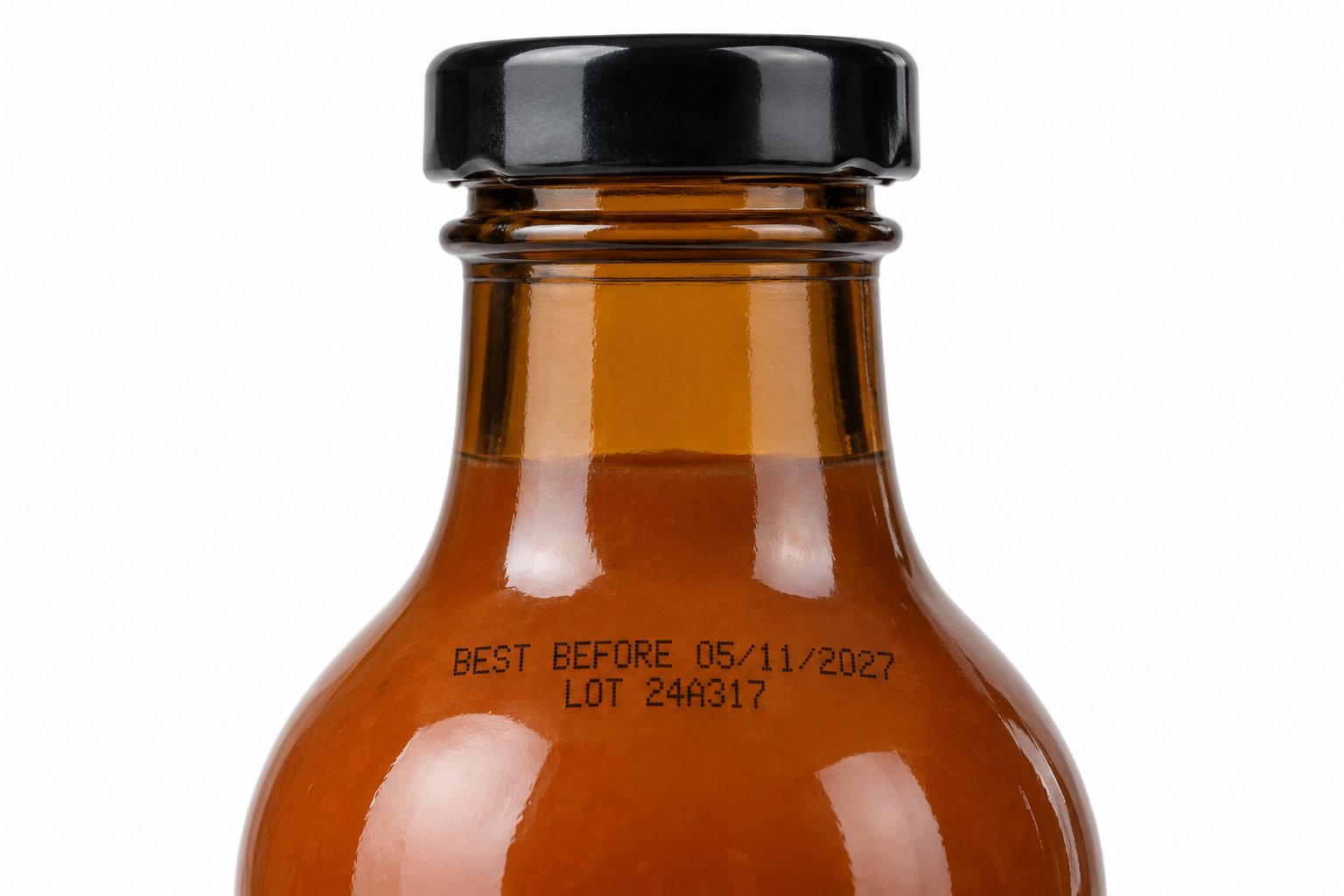
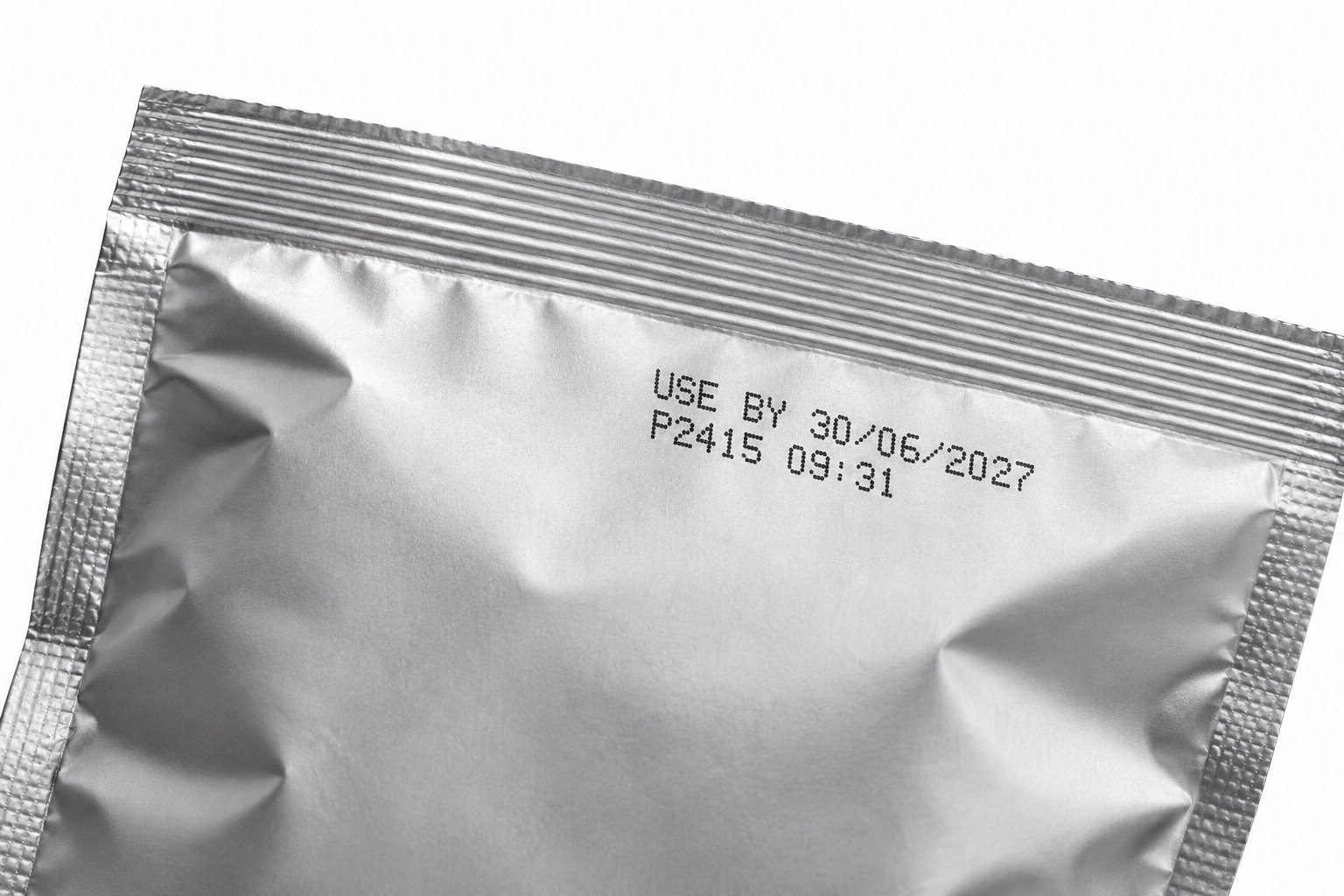
Also known as a CIJ printer, a CIJ inkjet printer, an industrial continuous inkjet printer, a continuous feed inkjet printer, or simply CIJ coding. Continuous inkjet printers are the usual choice for coding directly onto bottles, cans, cartons, cables and film as they move down the line, and continuous inkjet printing technology offers automatic nozzle cleaning and a wide choice of inks for food, pharmaceutical, packaging and electronics applications.
How continuous inkjet printing works
CIJ generates an unbroken stream of ink droplets under pressure. Each droplet is given an electrical charge, then passes through a deflection field that steers charged droplets onto the product surface to build up characters. Droplets not needed for the code are caught in a gutter and recirculated, which is what "continuous" means: the ink stream never stops while the printer is on. Because nothing touches the product, CIJ prints on moving items at full line speed, on curved and uneven surfaces, and at a print head standoff of several millimetres.
What a CIJ printer codes onto
CIJ is used on paper, cardboard, plastics (PET, PVC, HDPE, LDPE), glass bottles, metal cans, flexible films, wood, fabrics, foils, rubber, ceramics, cables and electronic components. It handles porous and non-porous surfaces with the right ink, which is why one printer often serves several product lines.
Capability
- Batch or lot numbers for traceability.
- Best-before and expiry dates for perishable goods.
- Barcodes, QR codes and 2D codes for inventory and tracking.
- Manufacturing dates, shift codes and time stamps.
- Serial numbers for individual product identification.
- Small logos and branding marks.
- Ingredient and allergen lines on food packaging.
- Warning labels and safety instructions on consumer products.
- Variable data for promotional or personalised packaging.
- Production codes for quality control and process tracking.
CIJ versus thermal inkjet and laser
Choose CIJ when the line is fast, the surface is curved, non-porous or uneven, or the print head has to sit well back from the product. A thermal inkjet (TIJ) printer prints higher resolution from a cartridge with no solvent, but needs the product within a millimetre or two of the head and suits porous and coated surfaces best. A laser coder marks permanently with no consumables at all, at a higher purchase price and with substrate limits. For large characters on cases and sacks, a valve jet printer or large character inkjet printer is the tool. Our guide to how CIJ printers work and what they cost compares them in more detail.
Speed
Continuous inkjet printers code from slow manual lines up to high-speed filling and packing lines, printing one to several lines of text per pass. Print height and line count trade off against line speed, and the printer is specified around your actual conveyor speed.
Inks and consumables
CIJ inks cover a broad spectrum of applications to suit different substrates, with a choice of colours. Options include fast-drying MEK-based inks for non-porous plastics and metal, food-contact and low-odour inks for food packaging, pigmented white and yellow inks for dark surfaces, and UV-readable and thermochromic inks for security and process control. Running costs come from ink and make-up solvent, periodic filter changes and servicing. Automatic nozzle cleaning at start-up and shutdown keeps the head clear between shifts, and sealed ink circuits reduce solvent loss.
Line integration
A CIJ printer mounts on a stand or bracket beside the conveyor, with the print head positioned at the coding point after filling, capping or wrapping. A product sensor triggers each print and an optional shaft encoder keeps the code consistent when the line speeds up or slows down. Codes can be driven from the printer's own touchscreen or fed from a line controller or ERP system. Nexus installs the printer, sets up the message formats and trains operators.
Related coding and marking systems
- Thermal inkjet (TIJ) printers
- Laser coding systems
- Thermal transfer overprinters
- Valve jet printers
- Large character inkjet printers
- Print and apply labelling
Tell us your substrate, line speed and what each code has to carry, and we will specify the printer and ink. Contact Nexus Australia for a quote on a continuous inkjet printer.
Continuous Ink Jet
You might also be interested:
Ready to Automate Your Production Line?
Talk to our packaging machinery experts today. Whether you need a standalone filling machine or a complete turnkey robotic system, we have the engineering expertise to scale your operations.