Laser Printer
The industrial laser printer is a non-contact laser coding and marking system that prints permanent codes on packaging at high speed, with no ink or consumables. Suited to laser printing on plastic, glass, metal, cardboard and film, it serves food, pharmaceutical, packaging and electronics lines, and is supplied Australia-wide by Nexus Australia.
How industrial laser printing works
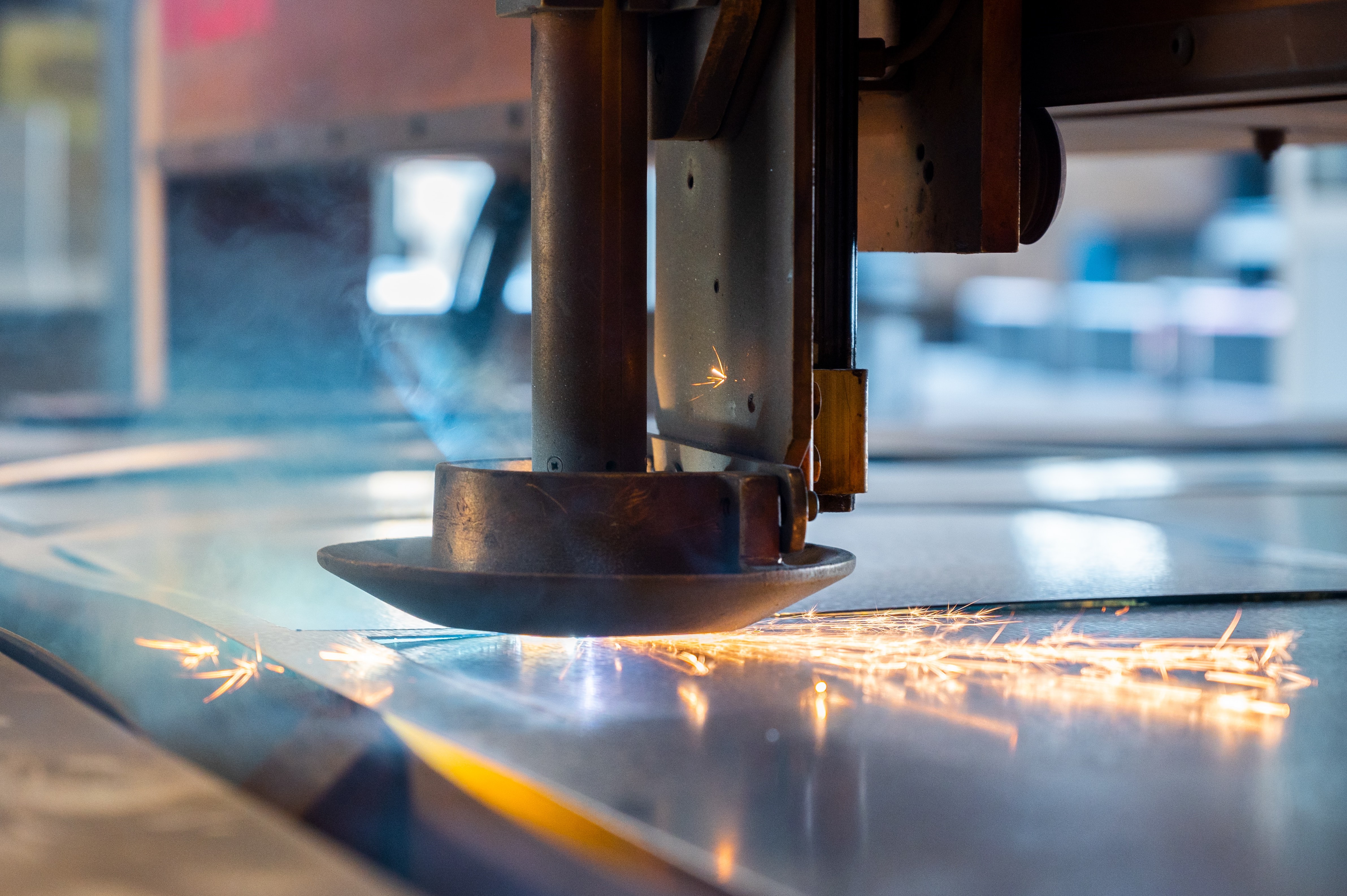
A laser beam marks the surface directly, removing or altering the top layer of the material to form the code. Because it is non-contact and uses no ink, no consumables are required.
The mark is made by the material itself changing, not by anything being added to it. Depending on the substrate the laser ablates a coating to reveal the layer beneath, foams the surface to create a raised lighter mark, or causes a colour change in the material. That is why a laser code cannot be wiped off or solvent-cleaned the way an ink code can, and why laser is specified wherever the code is a compliance or anti-counterfeiting requirement rather than just a date.
Why a laser packaging printer instead of inkjet
The decision usually comes down to running cost against substrate compatibility.
- No consumables: no ink, no make-up solvent, no cartridges, no ribbon. On a high-volume line the consumable saving is the entire business case, because a laser printer industrial installation has effectively zero cost per code after the capital purchase.
- Permanent: the code cannot rub off, smudge or be removed, which matters for traceability and compliance marking.
- No drying time: the mark is instant, so product can be handled or packed immediately.
- Low maintenance: no printhead to clean, no nozzles to unblock, no solvent handling.
The trade-off is that the laser has to suit the material. Laser works best where there is a coating or pigment to react with. Some clear plastics and some uncoated surfaces mark poorly or not at all, and a small number of substrates should not be lasered at all. For those, a continuous inkjet printer is the correct answer. Our guide to inkjet versus laser coding works through the comparison.
Where laser coding is used
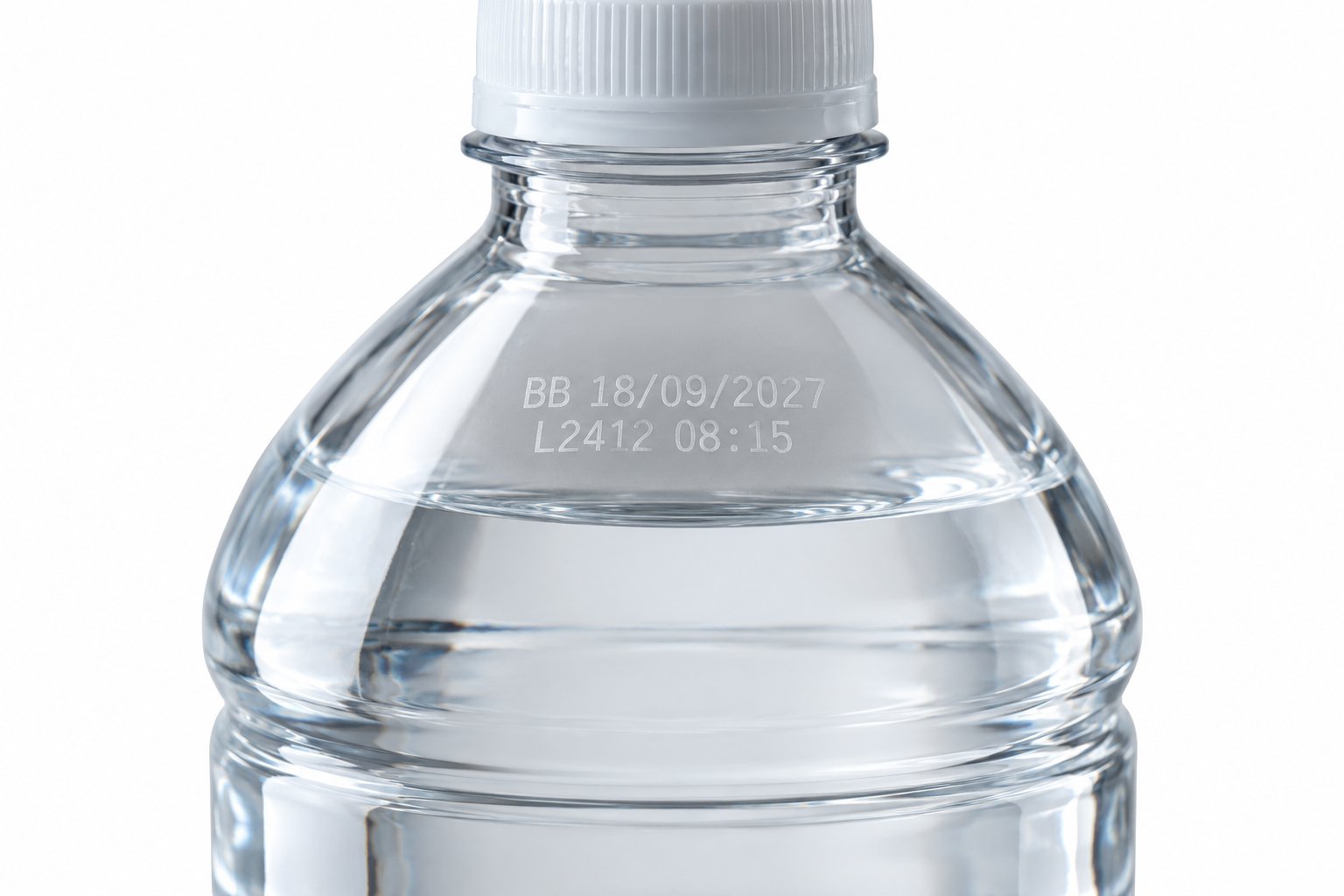
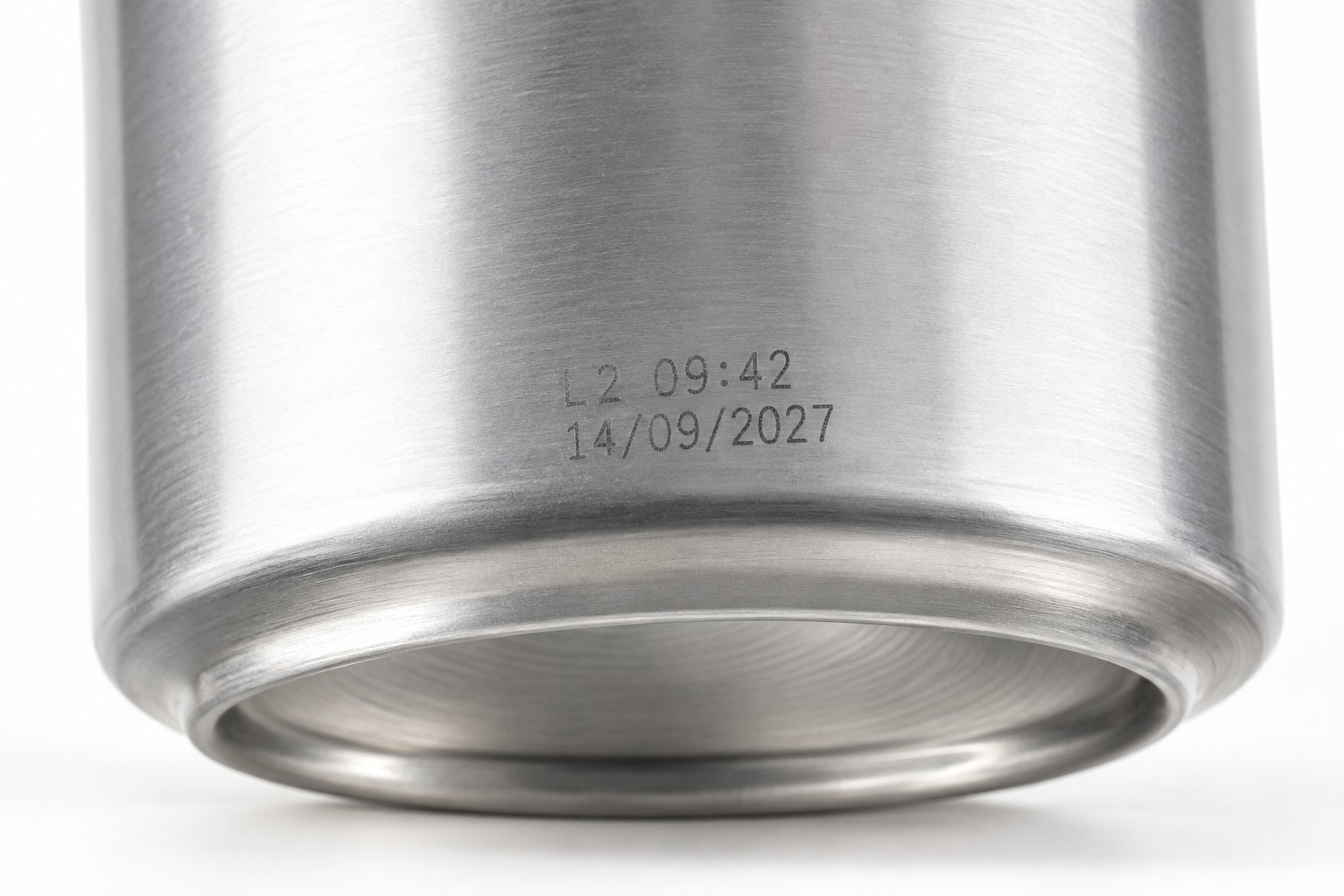
- Beverage: date and batch codes on glass bottles, cans and PET, at high line speeds.
- Food packaging: coding onto flexible film, cartons and lidding, including chilled and frozen product where ink adhesion is unreliable.
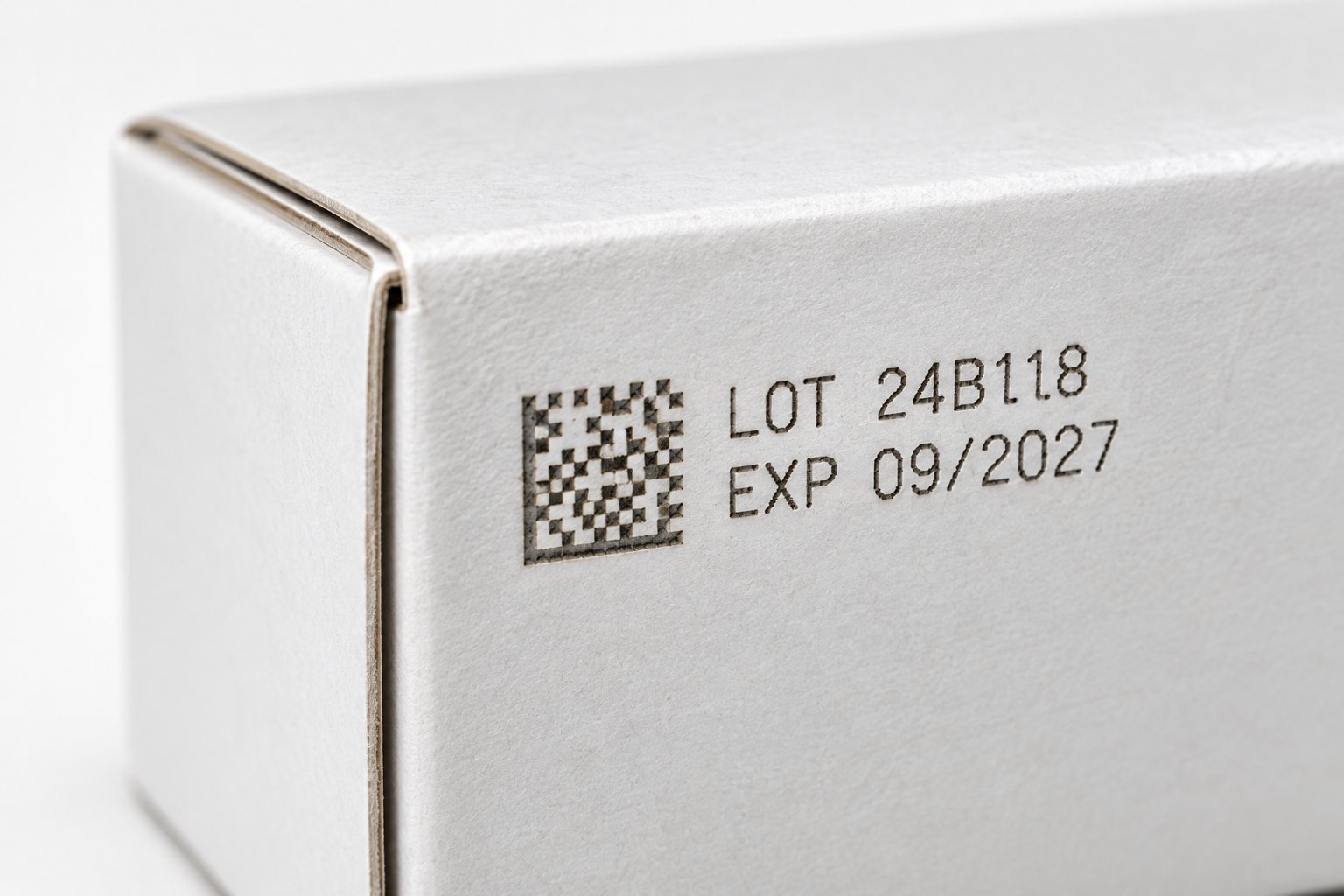
- Pharmaceutical: permanent, tamper-evident marking on cartons and blister foil for traceability.
- Cartons and cases: laser packaging printer applications marking corrugated and folding carton on the packing line.
- Electronics and components: serial numbers and data matrix codes on plastics and metals.
Substrate
Laser printer technology is commonly used on packaging materials such as paper, cardboard, plastics (PET, PVC, HDPE, LDPE), glass bottles, metal cans and flexible films. It is also applied to wood, fabrics, foils, rubber, ceramics and electronic components for product identification and coding.
Capability
- Batch or lot numbers for product traceability.
- Expiry dates for perishable goods.
- Barcodes and QR codes for inventory and tracking.
- Manufacturing dates for time-sensitive products.
- Serial numbers for individual product identification.
- Logo and branding elements.
- Ingredient lists and nutritional information on food packaging.
- Warning labels and safety instructions on consumer products.
- Variable data for personalised marketing or packaging.
- Production codes for quality control and process tracking.
Speed
Industrial laser printers print from low up to high speed applications. Because the marking is instantaneous, laser generally keeps pace with the fastest lines on site, and throughput is limited by how much content is in the code rather than by the printer.
Consumables
No consumables are required for laser printing. There is no ink, solvent or ribbon to buy, store or handle, and no consumable stock to run out mid-shift.
Specifying a laser coder
Bring the substrate first, because it decides everything. A sample of the actual packaging is worth more than any specification sheet, since whether a material marks well is best settled by testing it. After that: line speed, the content of the code, where on the pack it has to sit, and whether the line runs one product or many.
Related coding and marking systems
- Continuous inkjet (CIJ) printers
- Thermal inkjet (TIJ) printers
- Thermal transfer overprinters
- Valve jet printers
- Large character inkjet printers
- Print and apply labelling
Send us a sample of your packaging and your line speed, and we will confirm whether laser is the right fit before you commit. Contact Nexus Australia for a quote.
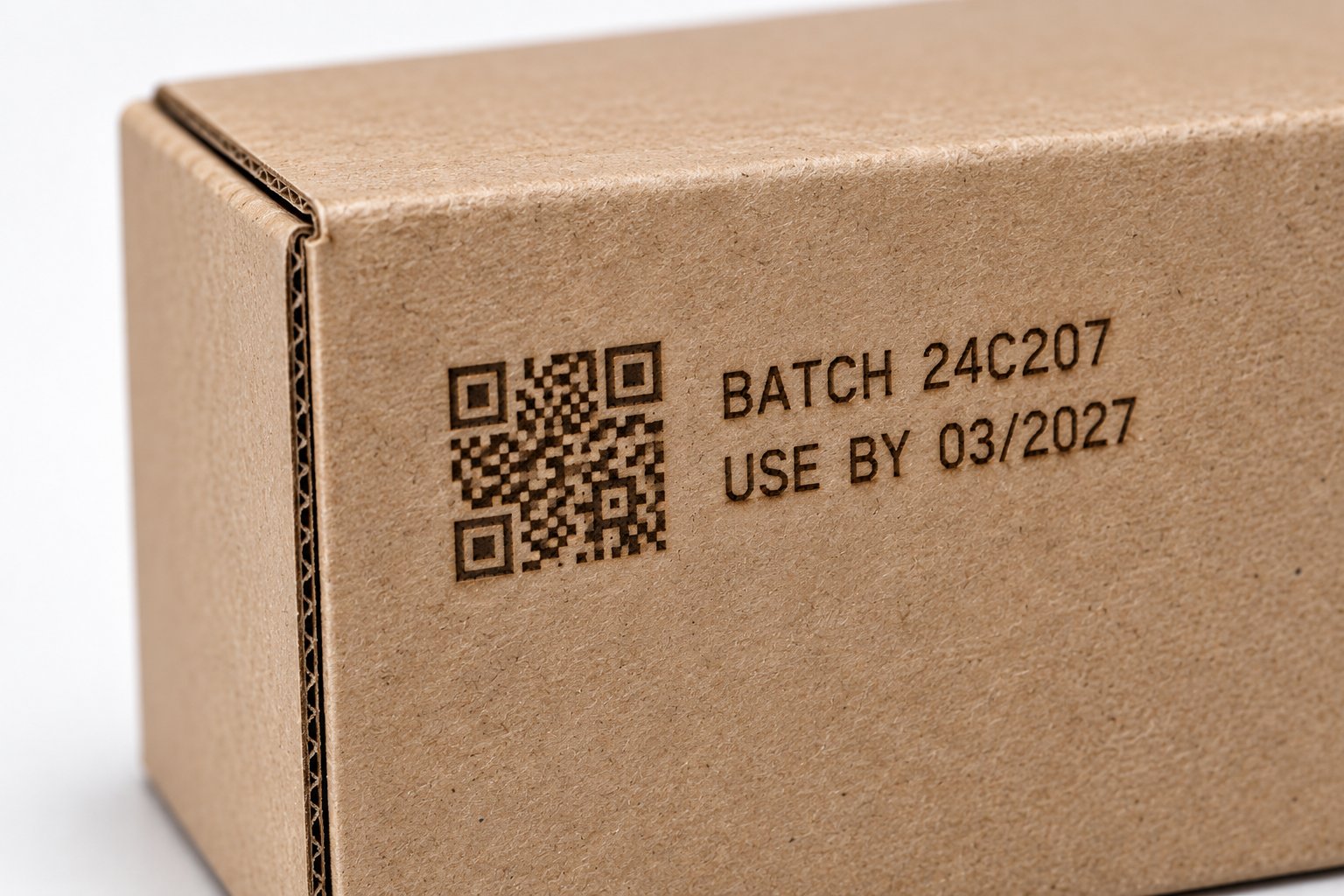
Laser Printer
You might also be interested:
Ready to Automate Your Production Line?
Talk to our packaging machinery experts today. Whether you need a standalone filling machine or a complete turnkey robotic system, we have the engineering expertise to scale your operations.