


Automatic Labelling Machine & Label Applicator
The Nexus Australia automatic labelling machine, also called a label applicator or labeller, applies pressure-sensitive labels to a wide range of container shapes and sizes across many industries. From a compact bottle labelling machine to a fully integrated industrial label applicator on a high-speed line, the system is configured to your containers, label style and output, and supplied and supported Australia-wide. Whether you search for a label applicator machine, a product labelling machine or simply a label machine, it is the same equipment: an industrial labelling machine that dispenses self-adhesive labels and presses them onto your product. Nexus supplies label applicator machines Australia-wide, and for carton, box and pallet labelling offers print and apply labelling systems.
What these machines are called
Also known as a label applicator, an automatic labeling machine, a product labeling machine, an industrial labeling machine, an automatic bottle labeling machine, a label applying machine or an automatic labeler. All describe a machine that dispenses self-adhesive labels and applies them to your product. What varies between them is the application method, the level of automation and the throughput, and those are the three things worth specifying.
How a label applicator works
A pressure-sensitive labelling machine feeds self-adhesive labels from a backing web and applies them to products as they pass through the applicator. A sensor detects each container, the label is dispensed at the right moment, and an applicator roller or tamp pad presses it onto the surface for a smooth, bubble-free finish.
Automatic labelling systems and label applicators
An automatic labeling system runs inline and labels continuously at production speed, with containers fed from the conveyor and no operator handling per unit. This is the configuration that suits medium and high volume production. Automatic labelling systems are built around the same core applicator, with the label application systems and container handling specified to your product.
A semi-automatic labelling machine is operator-fed one container at a time and suits short runs, sample batches and smaller producers. A semi automatic label applicator machine covers changeover-heavy work where many SKUs run in small volumes. Nexus Australia supplies both, so the labeller matches your volume and budget. Our guide to semi-automatic versus fully automatic packaging machines covers where the crossover sits.
Label application methods
- Front label applicator: precise, centred front labelling on containers.
- Wrap-around labelling: a single full-wrap label for cylindrical bottles and jars.
- Front and back labelling: two labels applied in register on opposite faces.
- Top label applicator: accurate top labelling for containers and packs, the configuration usually meant by a top labelling machine or a flat label applicator.
- Top and bottom labelling machine: two labels applied in one pass, upper and lower, where the underside carries a barcode or compliance panel.
- Dual-sided label applicator: simultaneous labelling on both sides of the product.
- Roll label applicator: labels fed from a roll and applied continuously as product passes.
- Customisable solutions: the applicator can be tailored to labelling requirements specific to your industry.
For a full breakdown of which configuration suits which container shape, see our guide to label applicator types.
Bottle labelling
For round containers, an automatic bottle labelling machine uses wrap-around application to apply a single full-wrap label, or front-and-back labels with precise registration, to PET bottles, glass jars and tins. Wrap stations spin each bottle against the label web for a tight, wrinkle-free wrap at line speed. A labelling machine for bottles is specified around the container: a bottle labelling machine in Australia is usually configured for PET, glass or HDPE, and the same label machine for bottles can run jars and tins with a change of change-parts.
Carton, box and pallet labelling
Labelling a shipping carton is a different job from labelling a retail bottle, because carton labels normally carry variable data such as batch numbers, weights and shipping barcodes. An automatic box labeling machine handles cartons and cases on the packing line, and a pallet label applicator applies dispatch labels to finished pallets.
Where each label has to be different, the machine needed is a printer label applicator: a print and apply system that prints each label on demand and applies it immediately. These systems normally use a thermal transfer label printer as the print engine, the same technology covered on our thermal transfer printer page. Our guide to box and carton labelling machines covers where the label goes on a case and when print and apply is the right call. Our guide to print and apply applicator types explains when a tamp, blow-on, wipe-on or pallet applicator is the right head for the job.
Box, sticker and corner label applicators
Not every label goes on a bottle. A label applicator machine for boxes applies a shipping or product label to the top or side of a carton as it passes on the conveyor, using the same top or side applicator head as the bottle machines with a wider label web. A sticker label applicator or sticker labelling machine is the same equipment described from the label's point of view: it dispenses a die-cut self-adhesive sticker and presses it onto the product. A corner label applicator, or corner wrap label applicator, applies one label across two faces of a box so the label reads from either side, and is used for tamper evidence on cartons and for product labels on square tubs. An automatic label dispenser machine on its own peels labels from the backing web and presents them for an operator to apply by hand, which covers very small volumes; for anything more, an applicator that applies the label is the better tool. Nexus configures these as labelling or decorating machines to the label size, the container and the line speed.
Label types
This machine applies pressure-sensitive (self-adhesive) labels. Sleeve labels are a different format: rather than an adhesive label pressed onto the surface, label sleeves are printed film tubes that shrink to fit the full body of the container. Sleeve labels are used for 360-degree decoration, tamper bands and multi-pack banding, and are applied by a shrink sleeve applicator rather than by a pressure-sensitive labeller. Our explainer on shrink sleeve labelling covers the difference.
Product capability
The machine applies labels to different shapes and sizes of containers, including bottles, jars, tubs, pouches and bags, to meet the requirements of different industries.
Integration and throughput
The labeller integrates into an existing production line, often after filling and capping, and offers a range of throughput rates to suit production at different scales. An inline automatic configuration delivers the highest speeds, while a semi-automatic unit covers low-volume and changeover-heavy work.
Industries served
- Food and beverages
- Pharmaceuticals
- Personal care products
- Household cleaning products
- Chemical industry
- Automotive and lubricants
- Paint and coating products
Support, warranty and delivery
A labelling machine from Nexus comes with installation and commissioning by our own technicians, in any Australian state or territory. Where the line is large or unusual, the manufacturer's engineer joins the Nexus team on site. Machines have gone in at Perth, Melbourne, Shepparton, Sydney, Brisbane and Adelaide over the last three years, and Nexus also ships to New Zealand.
Every machine Nexus supplies is supported after handover: operator training, preventive maintenance, spare parts and technical help. When a Nexus machine breaks down, phone and video-call troubleshooting come first and cost nothing. If the fault needs hands on it, a Nexus technician or an approved contractor in your state attends. Common spare parts are held in Australia. Warranty is 12 months return-to-base, wear parts excluded.
Typical lead time to shipment is about 75 days for a standard machine and 90 to 120 days for a complex one, then freight and installation. All pricing is by quotation. Nexus Australia is a member of APPMA, the Australian Packaging and Processing Machinery Association. Nexus is also an authorised Australian partner for KWT, whose labelling machines are part of the range described above.
Choosing a labelling machine
Match the application method to your container shape, decide between automatic and semi-automatic based on your volume, and confirm label type (pressure-sensitive or shrink sleeve). Share your container and label artwork and the team will recommend a configuration. Nexus Australia supplies label applicator machines Australia-wide, from a benchtop unit to an automated label applicator running inline; whether you call it a label application machine, an automatic label applicator or simply a labeller, the specification is the same. Contact Nexus Australia for a quote on a labelling machine or label applicator.
Frequently asked questions
What types of labelling machine does Nexus Australia supply?
We supply automatic and semi-automatic labelling machines, including front and back labelling, wrap-around, top and bottom, and dual-sided applicators for bottles, jars, tubs and pouches.
What is the difference between a labelling machine and a label applicator?
A labelling machine is the complete system that positions and labels your product, while the label applicator is the head that dispenses and applies the label. Different applicators suit wrap-around, front and back, or top labelling.
Can one labelling machine handle different container shapes?
Yes. Wrap-around and servo-driven labelling machines handle round, oval and flat containers within a set size range, with quick changeover between products.
How fast can an automatic labelling machine run?
Throughput depends on container size, label type and orientation. Automatic labelling machines scale from moderate to high speeds, and we can match a machine to your line rate.
How long is the lead time on a labelling machine?
About 75 days from order to shipment for a standard configuration, and 90 to 120 days for a complex application. Freight and installation come on top of that. Every labelling machine is quoted individually, because the configuration depends on your product, container and line speed.
What warranty and spare parts support comes with the machine?
Every machine Nexus supplies carries a 12 month return-to-base warranty, excluding wear parts. Common spare parts are held in Australia. After handover Nexus supports the machine with operator training, preventive maintenance, spare parts and technical help. If it breaks down, troubleshooting starts by phone or video call at no charge, and a Nexus technician or an approved contractor in your state attends if the fault needs hands on it.
Does Nexus install labelling machines outside Western Australia?
Yes. Nexus installs and commissions labelling machines in every Australian state and territory, using its own technicians, who travel interstate as required. On a larger or more complex line an engineer from the manufacturer works alongside them. Over the last three years Nexus has installed machines in Perth, Melbourne, Shepparton, Sydney, Brisbane and Adelaide, and it also supplies customers in New Zealand.
Ready to move forward?
Get a tailored quote or talk through your requirements with our team.
Get a quote
You might also be interested:
Nexus High Speed Twin Head Labelling System
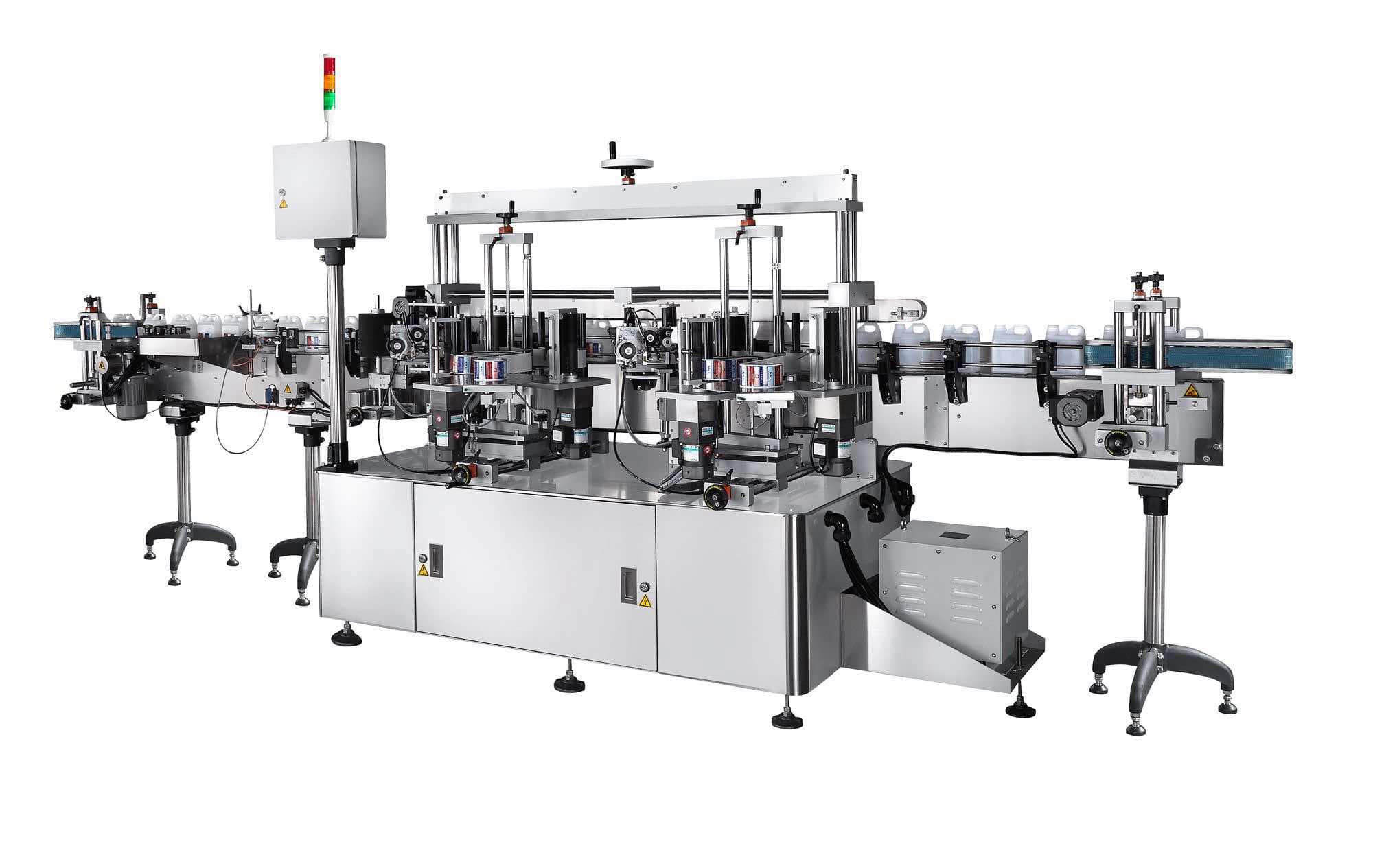
Dual servo twin-head bottle labeller, up to 120 bottles per minute
Read moreFully Automatic Top and Bottom Labelling Machine

Top and bottom labeller for boxes, cartons and flat packs, up to 60 per minute
Read moreHigh Speed Punnet / Trays Labelling Machine

Punnet, tub and tray labeller with denester and accumulator, up to 100 per minute
Read moreAll in One Labelling Machine

Front, back and wrap-around labeller for bottles and jerry cans, up to 50 per minute
Read more