Thermal Transfer Printer
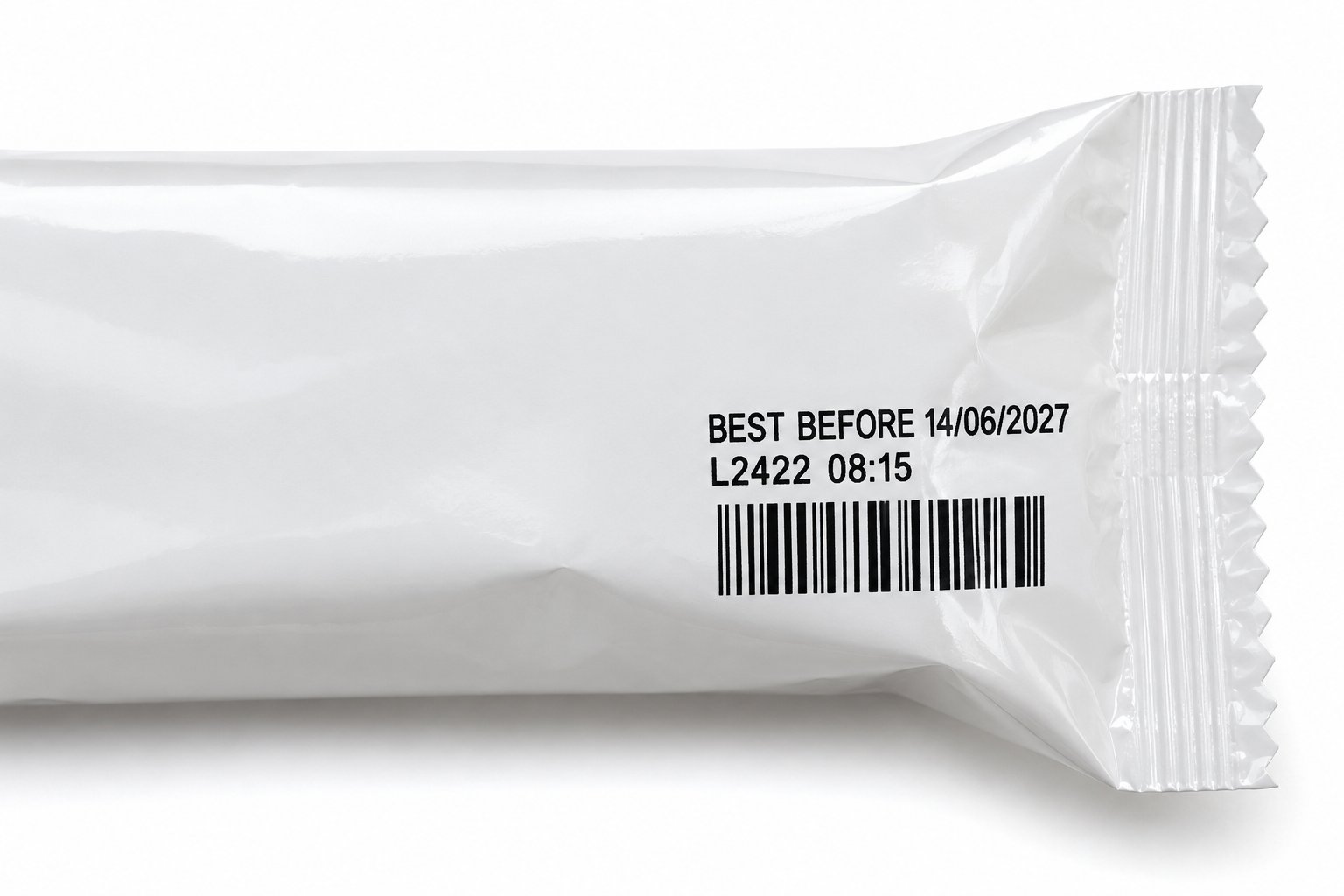
A thermal transfer printer, also known as a thermal transfer overprinter (TTO), uses heat to transfer ink from a ribbon onto a surface, producing sharp, durable codes on labels and flexible packaging film. Nexus Australia supplies thermal transfer printers Australia-wide for date coding, batch marking and barcode printing.
Thermal transfer printing (TTP) is a contact printing method that produces durable prints, suiting manufacturing, logistics, healthcare and retail applications. As an industrial thermal transfer printer it is often specified as a thermal transfer label printer for coding label stock, or as a thermal transfer ribbon printer, since the ink is carried on a replaceable thermal transfer ribbon. You will also see it called a heat transfer printer, or simply a thermal ribbon printer. All of these names describe the same TTO technology, and Nexus Australia supplies thermal transfer overprinters Australia-wide.
How thermal transfer printing technology works
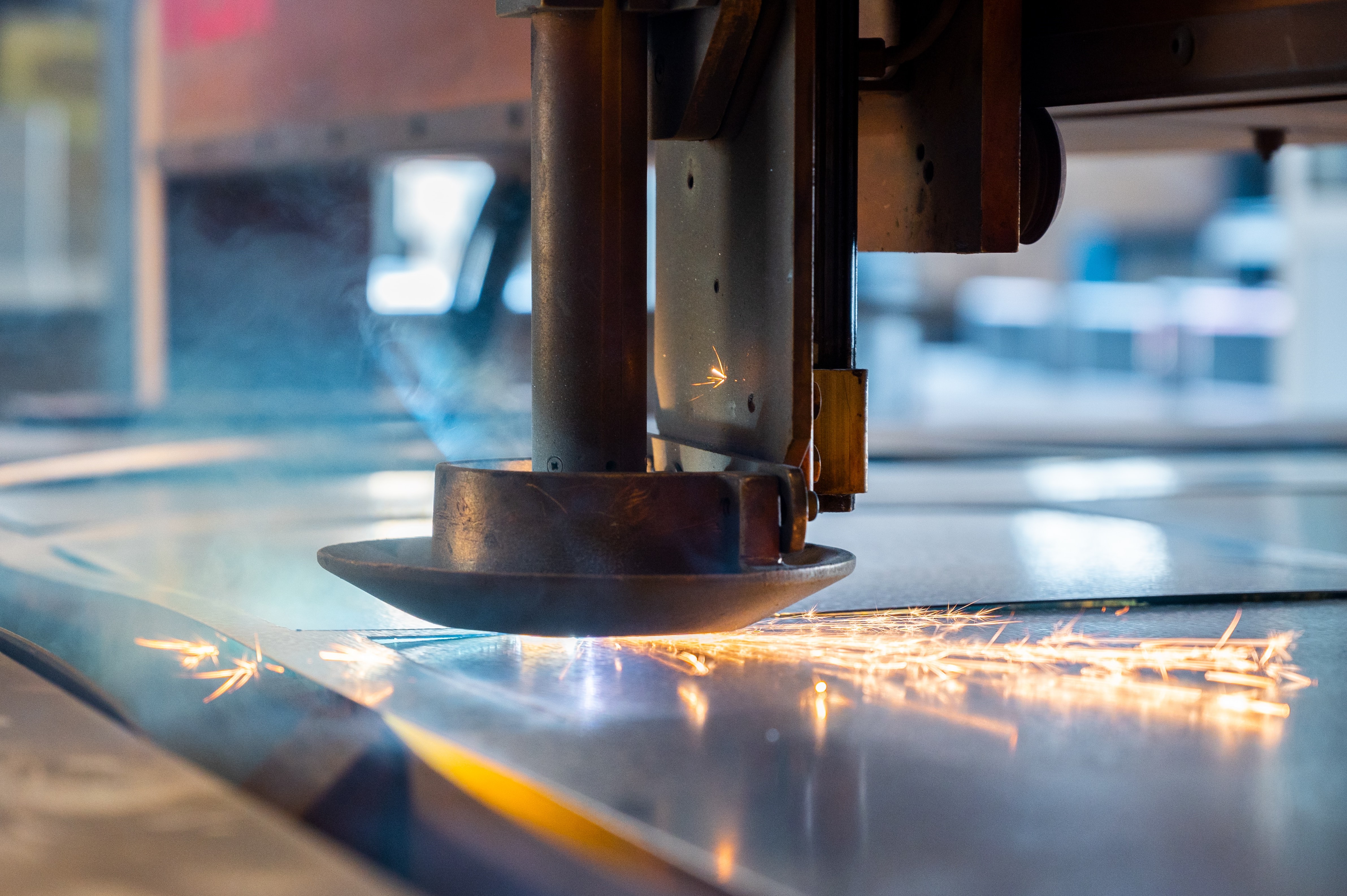
A heated printhead presses a thermal transfer ribbon against the surface, melting ink from the ribbon onto the material to form the print. The printhead is a row of individually controlled heating elements, so the image is built dot by dot as the film or label passes underneath. Because every dot is placed deliberately rather than sprayed, thermal transfer printing technology produces a denser, sharper mark than any non-contact method, which is why it is the default choice where a barcode has to scan first time.
A thermal transfer printing machine runs in one of two modes. Intermittent printing stops the film, prints while it is stationary, then indexes forward, which suits intermittent-motion baggers and gives the highest print quality. Continuous printing prints onto film that never stops, matching the printhead speed to the web speed, which suits continuous-motion flow wrappers and higher line rates.
Thermal transfer versus direct thermal
Direct thermal printing uses no ribbon. It applies heat to a chemically treated label that darkens where the printhead touches it. It is cheaper to run, but the print fades with heat, light and time.
A digital thermal transfer printer uses a ribbon, so the print does not fade and survives handling, moisture and cold storage. For anything that has to stay legible through a supply chain, or through a freezer, thermal transfer is the correct choice. Direct thermal suits short-life applications such as shipping labels that only need to last days.
Where TTO printers are used
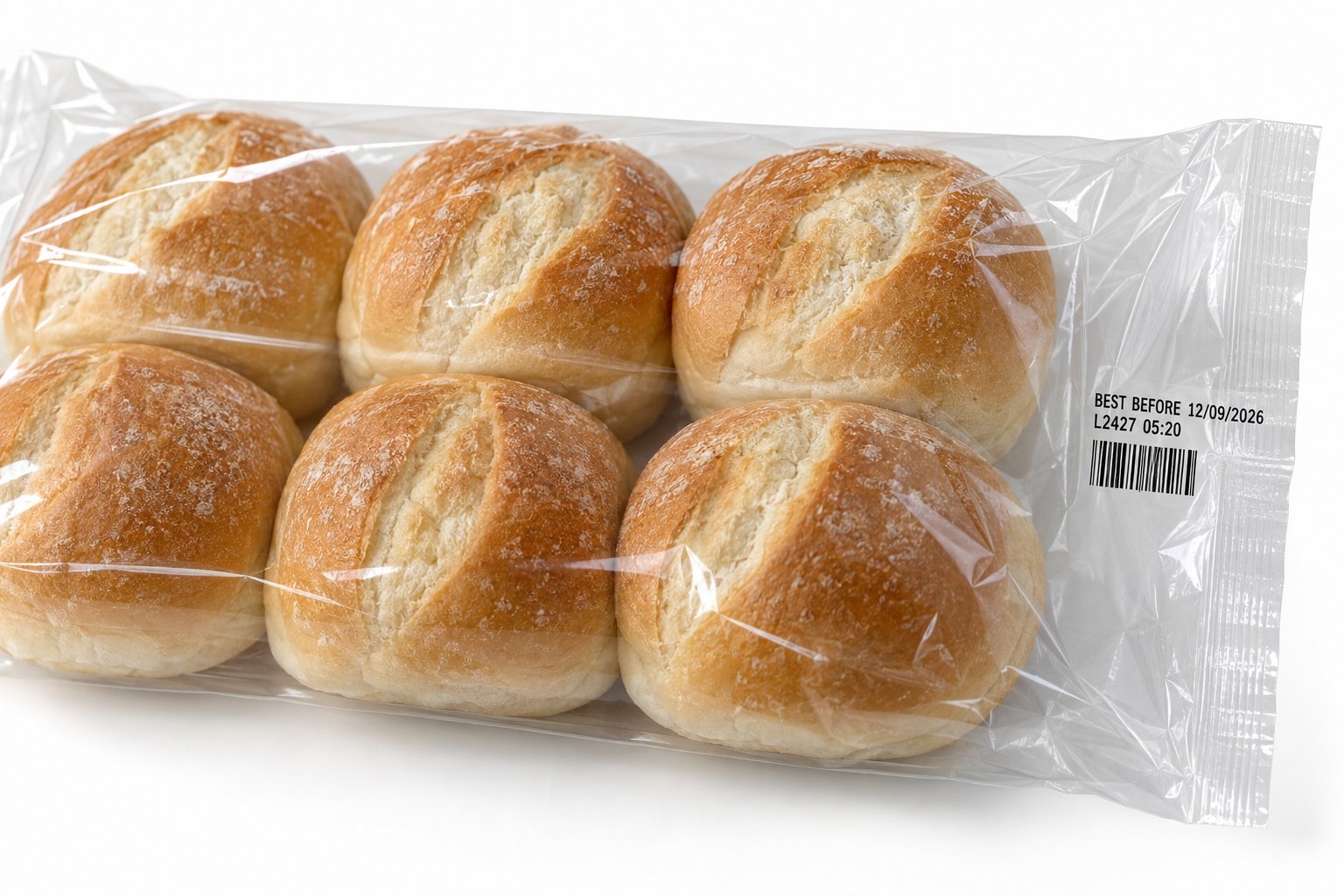
- Flexible film: printing use-by dates, batch codes and barcodes directly onto flow wrap, VFFS and HFFS film before the pack is formed and sealed.
- Pre-printed labels: thermal transfer label printing adds variable data to label stock that already carries the fixed artwork.
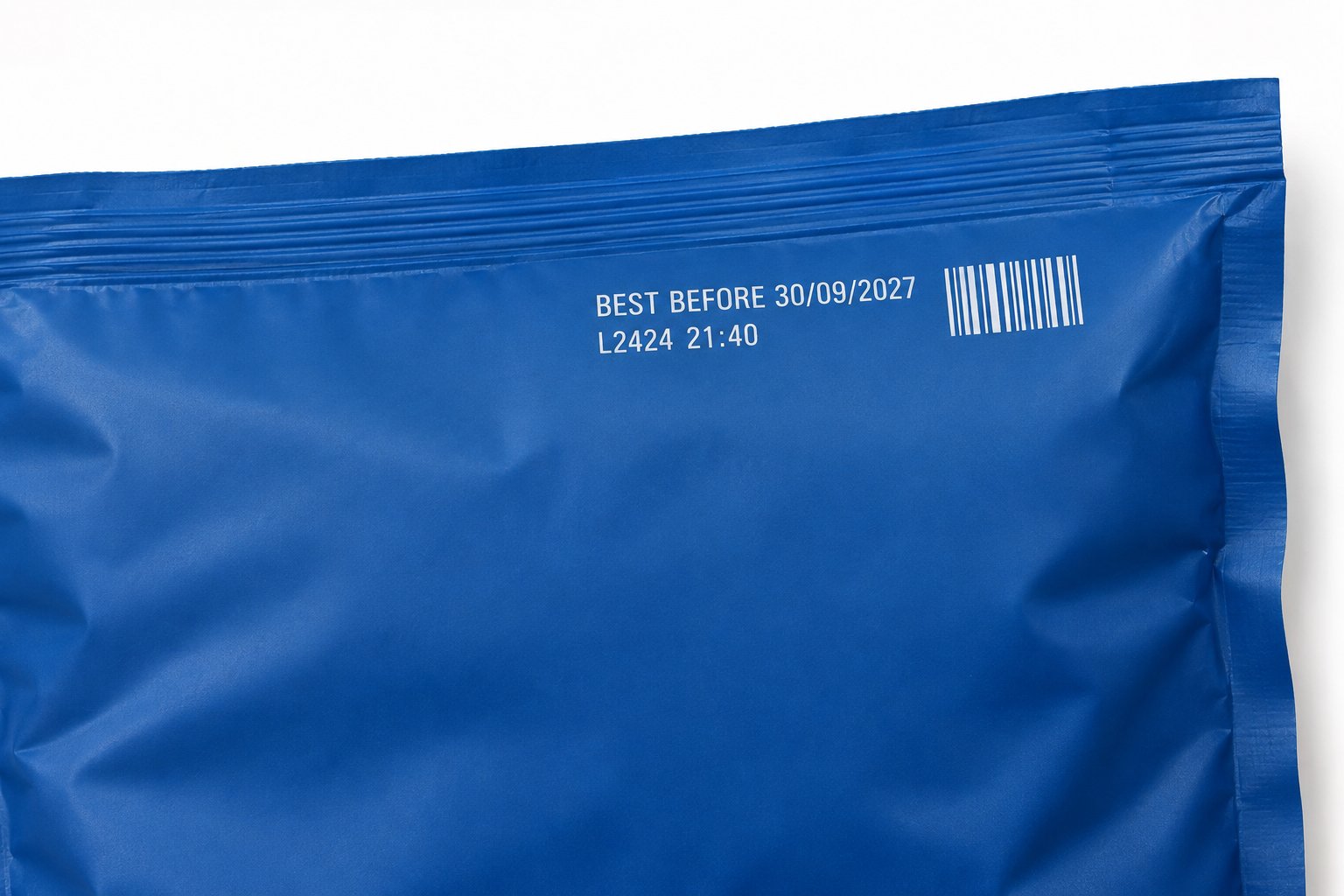
- Pouches and sachets: coding onto the web ahead of the forming station.
- Print and apply: most print and apply systems use a thermal transfer print engine to produce each label on demand.
Substrate
Thermal transfer printing is commonly used on substrates including paper, cardboard, plastics (PET, PVC, HDPE, LDPE), synthetic materials, labels, tags and flexible films. It is also applied to textiles, ribbons and special coatings for product labelling and identification.
Capability
- Batch or lot numbers for traceability.
- Expiry dates for perishable goods and pharmaceutical products.
- Barcodes and QR codes for inventory management and tracking.
- Manufacturing dates for time-sensitive products.
- Serial numbers for product identification and authentication.
- Brand logos and graphics.
- Text and warnings for safety and compliance on consumer goods.
- Variable data for personalised labels and packaging.
- Pricing and product details for retail labelling.
- Data matrix codes for specific industry requirements.
Speed
Thermal transfer printers print at varying speeds to suit different production requirements. Throughput is set by both the line speed and the amount of data on each print, because a dense barcode takes longer to lay down than a short date code.
Consumables and ribbon selection
Thermal transfer printers use thermal transfer ribbons. Ribbons are available in wax, wax-resin and resin formulations to suit the substrate and printing needs, and choosing the wrong one is the most common cause of codes that look fine on the line and rub off later.
- Wax: paper labels and cartons in dry ambient storage. Lowest cost, lowest durability.
- Wax-resin: coated papers and light synthetics. The general-purpose choice for most packaging film and carton labels.
- Resin: synthetic labels and film facing moisture, abrasion, freezing or chemical contact. Chilled and frozen product, drums and outdoor storage.
Thermal transfer versus continuous inkjet
Thermal transfer printing gives high-resolution, durable prints on flexible film and labels, making it ideal for use-by dates, barcodes and variable data on flow-wrapped and pouched products. For coding directly onto bottles, cans and cartons on a fast-moving line, a continuous inkjet printer is often the better fit, because it is non-contact and does not need to touch the surface.
The short rule: if you are printing onto film or a label, use thermal transfer. If you are printing onto a rigid container as it moves past, use continuous inkjet. Our guide to thermal transfer printing covers the detail, and inkjet versus laser coding compares the non-contact options.
Related coding and marking systems
- Continuous inkjet (CIJ) printers
- Thermal inkjet (TIJ) printers
- Laser coding systems
- Valve jet printers
- Large character inkjet printers
- Print and apply labelling
Tell us your substrate, line speed and what each code has to carry, and we will specify the printer. Contact Nexus Australia for a quote on a thermal transfer printer.
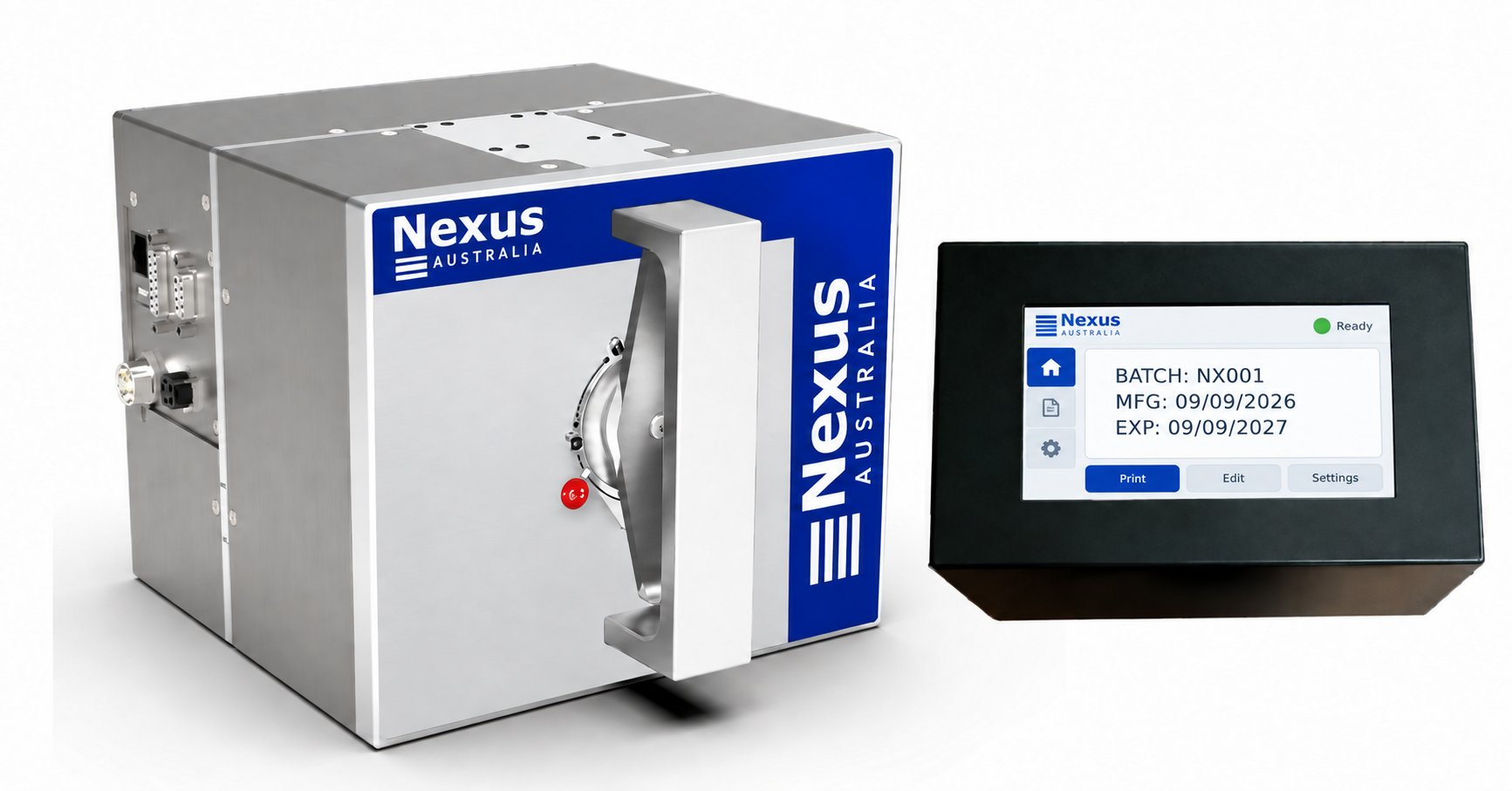
Thermal Transfer Printer
You might also be interested:
Ready to Automate Your Production Line?
Talk to our packaging machinery experts today. Whether you need a standalone filling machine or a complete turnkey robotic system, we have the engineering expertise to scale your operations.